How Storytelling Helps Students Learn Faster and Better
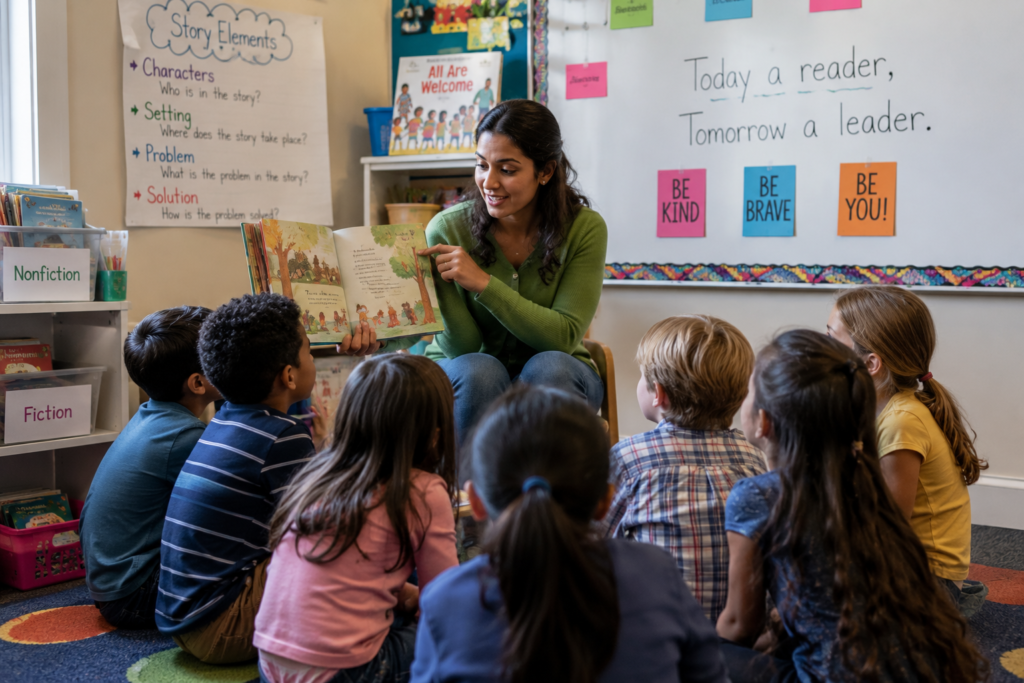
Storytelling is one of the oldest and most powerful ways humans learn. From childhood stories to modern educational content, stories help people understand ideas, connect emotionally, and remember information longer.
At Continuous Improvement, storytelling is part of our mission to make education meaningful and engaging.
Why Storytelling Works in Education
Stories activate imagination and emotions, making lessons easier to understand and remember. When students connect emotionally with information, learning becomes more effective and enjoyable.
Benefits of storytelling in education include:
- Better memory retention
- Increased attention and focus
- Improved communication skills
- Stronger emotional connection to learning
- Greater creativity and imagination
Storytelling creates a learning experience that feels personal, interactive, and memorable.
How Storytelling Improves Learning
1. Makes Complex Topics Simple
Stories turn difficult concepts into relatable experiences. Students understand lessons better when information is explained through characters, situations, and real-life examples.
2. Increases Engagement
Students pay more attention when information is presented as a story. Storytelling keeps learners interested and actively involved in lessons.
3. Encourages Creativity
Storytelling inspires imagination and original thinking. It helps students develop creative ideas and express themselves confidently.
4. Improves Language Skills
Reading and listening to stories improve vocabulary, communication, and comprehension skills. Students also learn how to express ideas more clearly.
Benefits of Storytelling in Education
Educational storytelling supports both academic and personal development by helping students:
- Understand lessons faster
- Remember information longer
- Build emotional intelligence
- Develop listening and speaking skills
- Improve critical thinking
- Strengthen creativity and confidence
These benefits make storytelling one of the most effective teaching methods in modern education.
Examples of Educational Storytelling
There are many ways storytelling can be used in learning environments, including:
- Historical stories
- Real-life success stories
- Creative fiction with educational lessons
- Interactive digital storytelling
- Visual storytelling through art and videos
- Classroom roleplay and drama activities
These methods make education more engaging and enjoyable for learners of all ages.
Why Storytelling Matters in Modern Education
In today’s digital world, students learn best when education feels interactive and emotionally meaningful. Storytelling helps teachers connect with students in a powerful way while making lessons easier to understand.
Storytelling also encourages curiosity, creativity, and lifelong learning skills that students need for the future.
Final Thoughts
Storytelling is more than entertainment — it is a powerful learning tool. When education feels personal and inspiring, learners become more motivated and connected to knowledge.
By using storytelling in education, teachers and students can create meaningful learning experiences that inspire creativity, understanding, and growth.